
Anxiety


Child Anxiety Support in Perth and by Telehealth
Many children experience worry or fear at different stages of their lives, ranging from small worries to quite acute fears, and everything in between. Sometimes though, worries can start to affect a child’s confidence, behaviour, and enjoyment of everyday activities, and it’s at this point that we suggest seeking some support.
At Combined Minds Psychology, we support children and families with gentle, practical, strengths-based strategies to help anxiety feel more manageable.
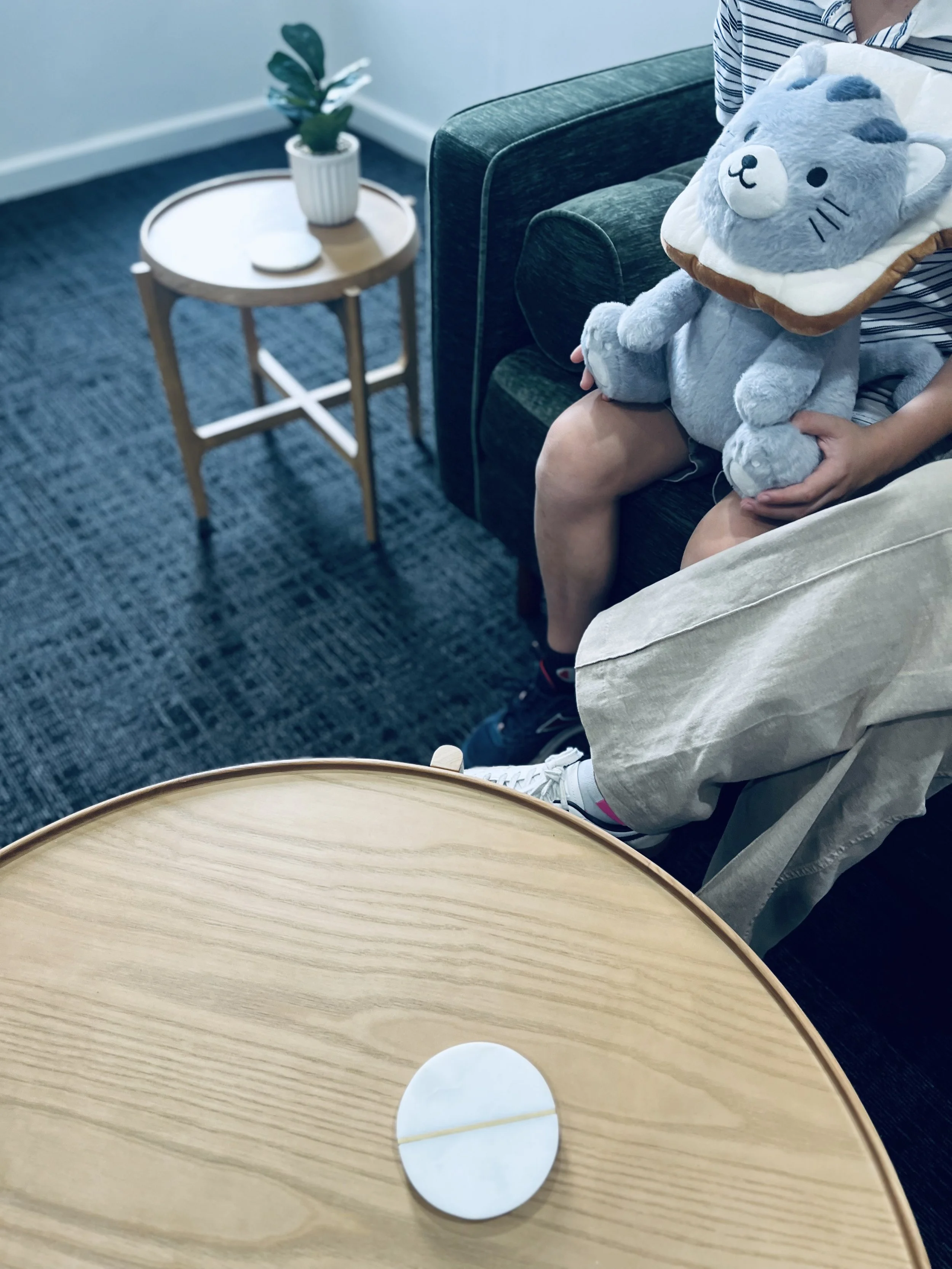
The different ways anxiety presents in kids
Every child is different, but you might notice:
More frequent worry or reassurance-seeking
Difficulty separating from parents or caregivers, often at school drop off or bedtime
Difficulty with sleep
Physical complaints, such as tummy aches
Avoiding school or social situations
Bigger than usual emotional reactions or withdrawal
An inability to speak in some situations or environments.
When should I seek support?
You don’t need to wait until things feel serious or severe to seek support. Understanding and helping with anxiety is a gradual approach, with the first step always focussed on understanding the context and possible underlying reasons for anxiety, which can be straightforward or more complex. We always start with a parent session, and it’s this first step that can make all the difference when it comes to diffusing challenges whilst they’re still small (early support is most often always the winner).How we work with you and your child
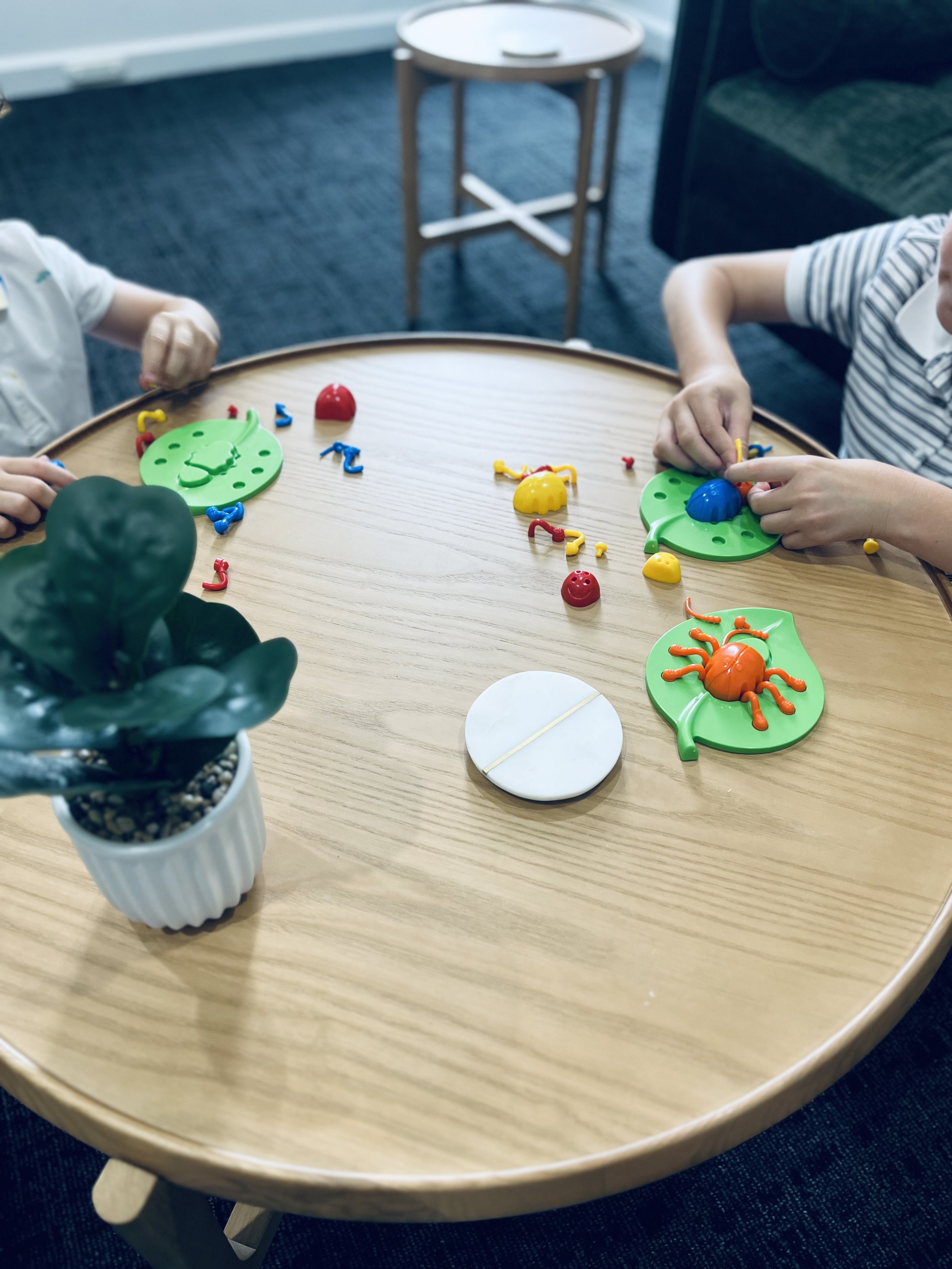
If you’ve not seen a psychologist yourself, you might wonder whether it would be helpful for your child, and how it might work. The first step is always to speak with you (the parent, parents or carer/s) to understand what your concerns are, and to explain how we could explore and support those challenges – it is very much a team effort. Our approach is focussed on building trust and rapport, interactive, and age appropriate – we’ll quite likely play games (we love Uno, Crazy Chefs and Jenga!) and find kids enjoy coming along to their sessions.
How psychology can help
Supporting kids with anxiety involves helping them to:
Understand what anxiety feels like in their body and how the brain works
Learn calming and coping strategies
Build confidence over time
Feel more confident facing unfamiliar or challenging situations.

Our approach
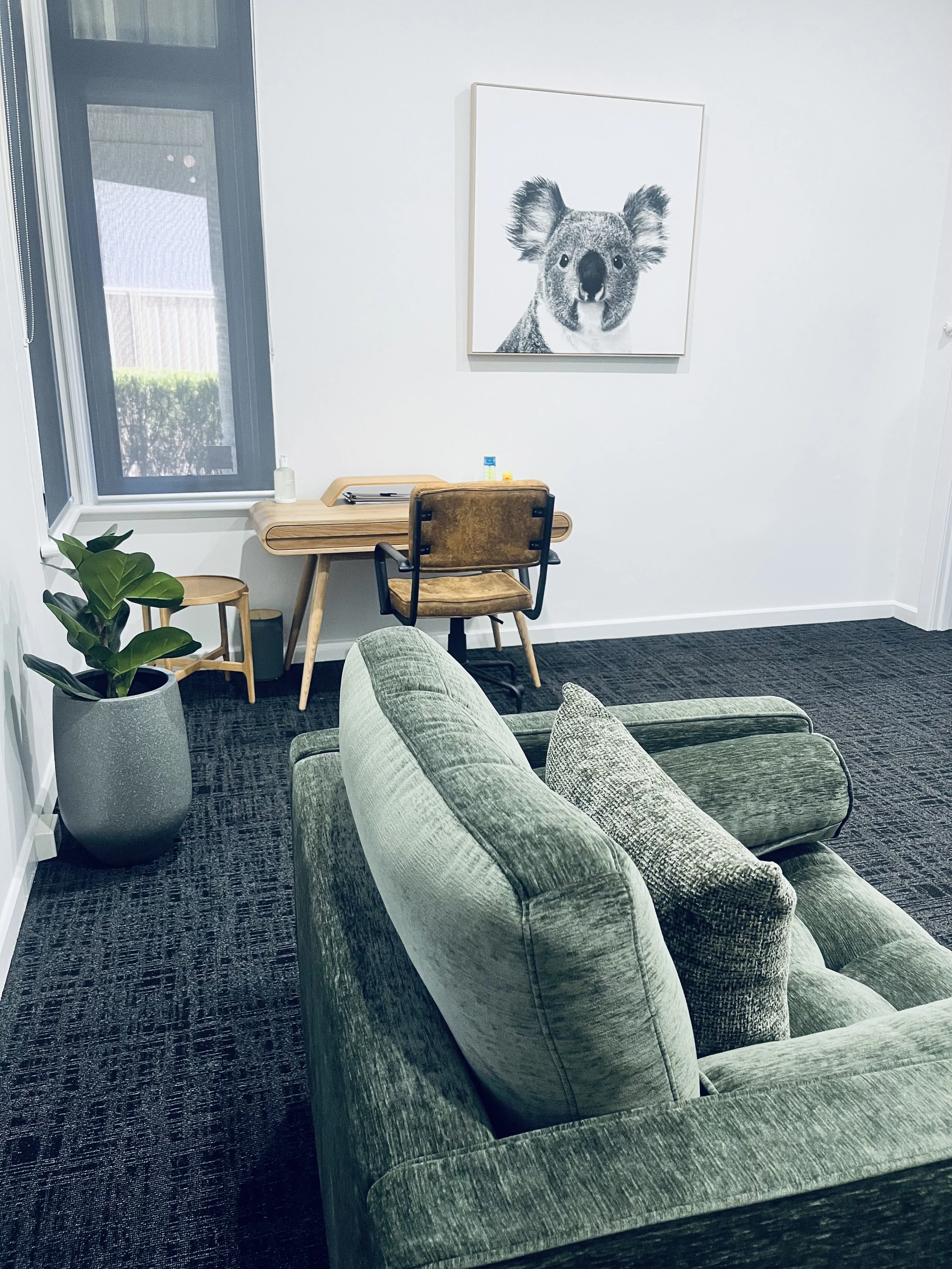
Our approach is gentle and kid friendly, and grounded in cognitive behavioural therapy with a strengths-based lens. Helping kids and their parents to feel comfortable is where it all starts. In our initial parent / carer session, we’ll chat with you to understand the context and any underlying drivers of anxiety, before progressing towards tailored, direct support for your child.
When it comes to exploring anxiety directly with your child, our sessions typically involve fun, play based activities that create opportunities for conversations about the brain and body connection, and the “feeling” of anxiety in the body. For primary school aged kids and young teens, we’ll also often use books to help normalise an emotional experience such as anxiety (Hey Warrior! and Ups and Downs by Karen Young are favourites).
When an understanding of the brain / body connection is established, we start to introduce practical tools that can help with coping when anxiety starts to rise (eg mindfulness and breathing techniques). We practise these techniques in session when kids are calm, and in time, kids can practise with a parent, and use the skills independently when faced with a situation that prompts some anxiety.
A strengths-based approach is at the heart of all of our work and particularly with kids and anxiety. Quite simply, we’re always looking for the things kids can do, and build on these by recognising and celebrating the “can dos”, and encouraging them to remember to look for the “ok” and “good” things. For instance, when a child comes home from school reporting a “bad” day, there may well have been things that didn’t go well, however with some exploring, there will most certainly be things that were “ok” eg a friend at school that they like, or maybe a favourite snack in their lunchbox. Bringing attention to the “can dos”, “ok” moments and small wins is incredibly powerful in moving kids forward towards the things that they think they can’t do, building a positive mindset, and giving them the confidence to have a go.
The role of parents & carers in supporting anxious kids
Parents and carers are very much involved along the way and are key to developing coping skills and helping kids practise them, along with celebrating successes (no matter how small) to build confidence over time. With support, practice and time, kids can learn their body can settle, and tangible improvement with anxiety can be felt, seen and understood.
Our sessions also often involve building a parent’s understanding of the impacts of language and behaviour, and the potential for unintentionally reinforcing a child’s thinking pattern that contributes to anxiety. For instance, the natural instinct of a parent to help their child avoid a “scary” thing or celebrate the achievement of something “brave” can unintentionally reinforce “this is really scary or dangerous”, when it’s not. Instead, our focus is on skill building with the goal of kids learning coping techniques and building the confidence that enables them to handle the normal stressors and anxiety that we all experience at different times of our lives.
How long does it take for anxiety to resolve?
Depending on the nature of a child’s anxiety, progress can take time. At first, sessions might be more frequent, and as skills improve, sessions become less frequent, with the focus on supporting sustained, lifelong coping skills that kids can carry forward into their teens and adulthood. Support also often extends to ongoing coaching for parents and empowering them to model coping and emotional regulation skills themselves, so kids can see it. Parents helping their child to practice coping skills when they’re calm, and celebrating successes helps enormously with building confidence over time.
With anxiety that may be driven by a more complex scenario such as a child’s neurodivergence, the path to improvement is often more nuanced, can take more time, and requires a tailored, collaborative approach. In this type of situation, we continue to support parents / carers to help them to understand anxiety from the child’s point of view, and when needed, help them with tools to advocate for their child in a school setting.
Do I need a referral?
A referral for anxiety support isn’t required, though if you’ve sought initial support from your GP, you may have been given a mental health treatment plan and referral, making some sessions eligible for a Medicare rebate.
If you think a little support would help your child’s anxiety, we’re here to help.